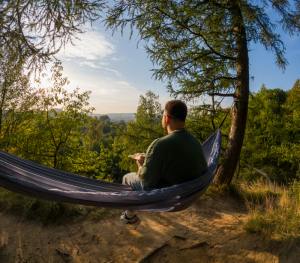
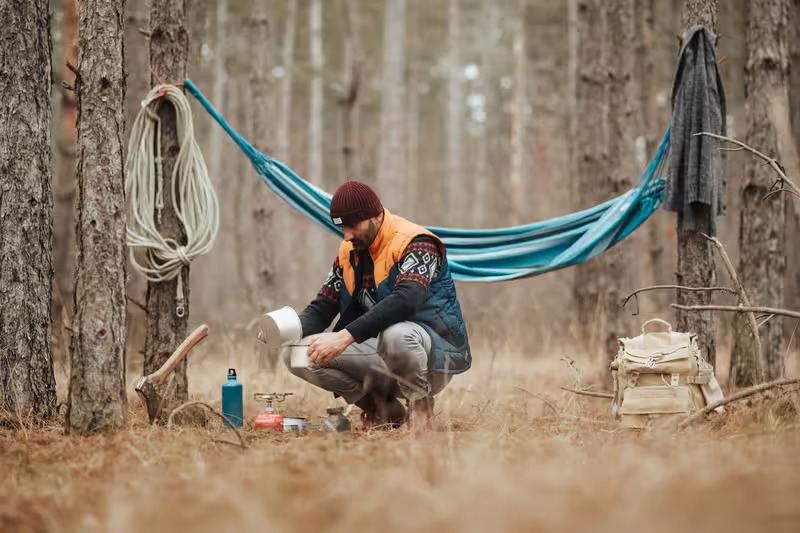
Hammock camping is one of the simplest ways to enjoy nature without carrying heavy gear. It removes the need for flat ground and lets you sleep between trees instead of on uneven soil. For beginners, it feels both exciting and slightly unfamiliar at first. The setup is different from tents, and small mistakes can affect comfort. That is why learning the right Hammock Camping Tips early makes a big difference. With the right approach, beginners can quickly turn a basic setup into a comfortable and safe outdoor sleeping system.
Getting Started with Hammock Camping Basics
Before buying gear or planning a trip, it helps to understand how hammock camping actually works. The concept is simple, but the experience depends heavily on technique and preparation.
Why beginners are switching from tents to hammocks
Many beginners choose hammocks because they are lightweight and flexible. You do not need flat ground, which makes campsite selection easier. Hammocks also pack smaller than most tents, which is useful for hiking and backpacking. Another reason is comfort. Many people find sleeping in a hammock more relaxing once they learn the correct setup.
Common expectations vs real experience in hammock camping
Beginners often expect hammock camping to be easier than it is in practice. While setup can be quick, comfort depends on correct angle, height, and insulation. Some first-time users struggle with balance or feel cold underneath at night. These challenges are normal and improve quickly with experience and proper guidance.
Choosing the Right Hammock Setup for First-Time Users
Your first hammock setup does not need to be complicated, but it should be reliable and safe.
Single vs double hammocks and what actually matters
Single hammocks are lighter and more compact, making them ideal for solo hikers. Double hammocks offer more space and flexibility, even if you are camping alone. Many beginners prefer double hammocks because they allow diagonal sleeping, which improves comfort. The choice is less about capacity and more about sleeping comfort and space preference.
Understanding fabric types and weight capacity
Most camping hammocks are made from nylon or polyester. Nylon is softer and more popular for comfort, while polyester is slightly more resistant to stretching. Weight capacity is important and should always include a safety margin. Choosing a hammock rated well above your body weight ensures long-term durability and safer use.
Beginner-Friendly Hammock Camping Tips for Safe Setup
Setup is where most beginners struggle, but it becomes easy once you understand the basics. The right Hammock Camping Tips focus on positioning, tension, and balance.
How to Pick the Perfect Trees and Campsite Location
Your campsite choice has a direct impact on safety and sleep quality.
Distance, height, and stability considerations
The ideal distance between trees is usually around 10 to 15 feet. Trees should be strong, healthy, and at least a few inches thick. Avoid dead or unstable trees. The anchor height should allow your hammock to hang at a comfortable sitting level while still forming a gentle curve when you lie down.
Environmental awareness and Leave No Trace principles
Responsible camping matters. Always use tree straps instead of tying ropes directly to bark. This prevents damage to trees and keeps natural spaces healthy. Choose existing campsites when possible to reduce environmental impact and follow Leave No Trace principles.
Essential First-Time Hammock Gear You Should Not Skip
A hammock alone is not enough for a safe overnight experience.
Straps and suspension systems are essential for stability. Carabiners or strong clips help secure your setup. A rain tarp protects you from unexpected weather changes. Bug nets are especially important in warm or forested areas. Beginners often underestimate insulation, but an underquilt or sleeping pad is necessary in cooler temperatures because hammocks lose heat from underneath.
Learning Proper Hammock Sleeping Positions for Comfort
Comfort depends heavily on how you position your body inside the hammock.
Diagonal sleeping technique for spinal alignment
Instead of lying straight, beginners should sleep slightly diagonally. This flattens the hammock surface and reduces pressure on your back. It also helps avoid the curved “banana” position that can cause discomfort during long sleep.
Avoiding pressure points and “banana shape” discomfort
If you feel pressure in your shoulders or knees, your setup angle may be incorrect. Small adjustments in suspension height or strap tension can make a big difference. Experimenting during daytime practice helps you find the most comfortable position.
Weather Awareness Tips Every Beginner Must Know
Weather conditions can change quickly outdoors, and hammocks respond differently than tents.
How temperature changes affect hammock sleeping
Hammocks lose heat from all sides, especially underneath. Even in mild weather, nighttime temperatures can feel colder than expected. Beginners should always prepare for cooler conditions than the forecast suggests.
Rain, wind, and humidity preparation basics
A properly angled tarp is essential for rain protection. Wind can affect stability, so choosing sheltered areas helps. In humid environments, ventilation is important to prevent condensation and discomfort.
Common Mistakes New Hammock Campers Make
Most beginner issues come from simple setup errors.
Over-tight setup and incorrect angles
A common mistake is pulling the hammock too tight. This creates a stiff surface that reduces comfort. A slight sag is necessary for proper body alignment.
Ignoring nighttime cold and insulation needs
Many beginners assume a sleeping bag is enough. However, without under insulation, cold air can make sleep uncomfortable. Proper layering is essential for warmth.
Poor gear testing before the trip
Testing gear at home or in a backyard helps avoid surprises. Many issues become obvious during practice setups rather than in remote locations.
Safety Guidelines for First-Time Hammock Campers
Safety is an important part of Hammock Camping Tips that beginners should not overlook.
Tree safety and equipment checks
Always inspect trees before setting up. Avoid branches that look weak or dead. Check straps, knots, and carabiners before sleeping to ensure stability.
Wildlife awareness and campsite behavior
Keep food stored properly and avoid attracting wildlife. Choose safe campsites away from animal trails when possible. Awareness reduces risk and improves overall camping experience.
Packing Tips for Lightweight and Efficient Travel
Packing correctly makes hammock camping much easier.
How beginners should prioritize essential gear
Focus on basics first: hammock, straps, tarp, insulation, and bug protection. Avoid unnecessary items that add weight and complexity.
Avoiding overpacking while staying prepared
Beginners often pack too much “just in case” gear. A balanced approach is better. Carry only what you realistically need for your environment and weather conditions.
Building Confidence Through Practice Trips
Experience is the fastest way to improve hammock camping skills.
Backyard and local park testing strategies
Start by setting up your hammock in a backyard or nearby safe area. This helps you learn adjustments without pressure. Practicing setup multiple times builds confidence.
Gradual progression to longer camping trips
After short practice sessions, move to one-night trips before attempting longer adventures. This step-by-step approach reduces mistakes and improves comfort over time.
Final Thoughts
Hammock camping becomes much easier once you understand the basics of setup, comfort, and safety. Beginners often struggle at first, but with the right Hammock Camping Tips, the learning curve is short. Small adjustments in angle, insulation, and gear choice can completely change the experience. With practice, hammock camping becomes one of the most relaxing and flexible ways to enjoy the outdoors.
FAQs
Is hammock camping good for beginners?
Yes, it is beginner-friendly once you learn proper setup, gear selection, and sleeping position techniques for comfort and safety.
What is the biggest mistake beginners make in hammock camping?
The most common mistake is incorrect setup angle or pulling the hammock too tight, which reduces comfort and sleep quality.
Do I need special gear for hammock camping?
Yes, you need straps, a tarp, and insulation like an underquilt to stay safe and comfortable in different weather conditions.
Can I sleep comfortably in a hammock overnight?
Yes, if you sleep diagonally and adjust your setup correctly, hammocks can be very comfortable for overnight use.
Is hammock camping safe in all weather conditions?
It is safe in most conditions with proper gear, but extreme cold, storms, or lack of trees can make it unsuitable.