Most people think successful hammock camping depends on gear. They focus on suspension systems, tarps, insulation, and comfort accessories. While those factors matter, experienced hammock campers often learn that location selection has a much bigger impact on the overall experience.
A perfect hammock setup placed in a poor location can lead to uncomfortable nights, exposure to weather, insect problems, or safety concerns. The best hammock camping locations are not simply places with two suitable trees. They are sites that balance comfort, protection, scenery, environmental responsibility, and long-term practicality. Understanding how different environments affect campsite quality is what separates average hammock campers from experienced ones.
Understanding What Makes a Great Hammock Camping Spot
Many campers believe finding two trees is enough. In reality, choosing a campsite requires much deeper evaluation. Wind patterns, ground conditions, moisture levels, wildlife activity, and weather exposure all influence the quality of a hammock campsite.
The best hammock camping locations often result from careful observation rather than luck. Experienced campers spend time evaluating the surrounding environment before hanging their hammock. Small differences in site selection can significantly affect comfort throughout the night and reduce exposure to unnecessary risks.
Tree Selection Beyond the Basics
Beginners typically focus on tree spacing. More experienced campers look at tree health first. Dead trees, damaged trunks, weak root systems, and leaning trees can create serious hazards during storms or strong winds.
Tree species also matter. Some species offer stronger anchoring points, while others may drop branches unexpectedly. Evaluating the overall health of potential anchor trees is one of the most important skills in selecting safe hammock camping locations.
Microclimate Awareness
Every campsite contains its own microclimate. A location only a few hundred feet away can experience different wind conditions, humidity levels, and temperatures.
Cold air often settles in low areas. Wind may accelerate through gaps in terrain. Moisture can accumulate in specific sections of a forest. Understanding these small environmental differences helps experienced hammock campers make smarter site choices.
Forest Environments: The Classic Hammock Camping Choice
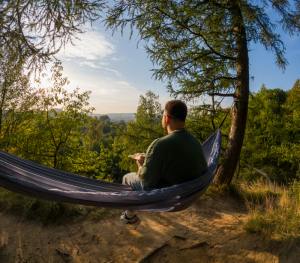
Forests remain the most reliable environment for hammock camping. They naturally provide suitable anchor points while offering protection from sun, wind, and light rain. Mature forests often contain numerous campsite options that allow flexibility during setup.
The best hammock camping locations are frequently found in healthy forests with strong tree density. However, not all forests provide the same experience. Seasonal changes, canopy coverage, and vegetation patterns can dramatically influence campsite quality.
Deciduous Forest Strategies
Deciduous forests offer excellent hammock opportunities during warmer seasons. Dense leaf coverage provides shade and helps moderate temperatures during summer months.
However, conditions change significantly during autumn and winter. Once leaves fall, exposure increases and wind protection decreases. Experienced campers adjust site selection strategies based on seasonal canopy changes.
Coniferous Forest Considerations
Coniferous forests often provide year-round protection from the weather. Dense evergreen canopies help reduce wind exposure and create more stable sleeping conditions.
These environments can also offer better winter protection. Snow accumulation, however, requires careful assessment of branch stability and tree health before selecting a campsite.
Mountain Environments and Elevation Challenges
Mountain environments attract hammock campers because of their dramatic scenery. Unfortunately, scenic locations are not always practical campsites. Higher elevations often expose campers to stronger winds, rapidly changing weather, and colder nighttime temperatures.
Many experienced campers eventually learn that the best hammock camping locations in mountainous regions are not always found at the highest viewpoints. Comfort and safety often improve at slightly lower elevations with better natural protection.
Ridge Camping Mistakes
Ridgelines provide incredible views but frequently expose campers to challenging weather conditions. Wind speeds can increase dramatically, making sleep difficult and reducing insulation efficiency.
Weather systems also arrive more quickly on exposed ridges. Many experienced hammock campers avoid ridge camping unless conditions are highly predictable and favorable.
Valley and Mid-Slope Alternatives
Mid-slope locations often provide a better balance between scenery and protection. These areas typically experience reduced wind exposure while maintaining good access to surrounding views.
Valley sites can also work well, though campers must remain aware of cold air drainage and moisture accumulation that may affect overnight comfort.
Coastal Hammock Camping Locations
Coastal environments offer unique experiences that attract many hammock enthusiasts. Ocean views, cooling breezes, and natural beauty make these destinations highly desirable.
At the same time, coastal camping introduces challenges that inland campers rarely encounter. Salt exposure, changing tides, and unpredictable weather require more careful planning and site selection.
Barrier Islands and Coastal Woodlands
Many coastal regions contain wooded areas near beaches that provide ideal hammock opportunities. These environments often offer the combination of anchor trees and ocean access that campers seek.
Tidal awareness becomes critical in these locations. Campsites that appear safe during the afternoon may become problematic during high tides or storm surges.
Desert and Arid Environment Challenges
Desert environments are among the most challenging hammock camping locations. Suitable anchor points can be scarce, and traditional hammock setups may not always be possible.
Experienced campers entering arid regions often modify their expectations and carry alternative suspension options. Successful desert hammock camping depends heavily on planning and environmental research.
Oasis and Riparian Corridors
River systems and oasis environments frequently provide the best opportunities for hammock camping in deserts. Vegetation density increases near water sources, creating more natural anchor options.
These areas can be attractive, but they also attract wildlife and insects. Site selection must balance convenience with environmental awareness.
River and Lakeside Hammock Camping Locations
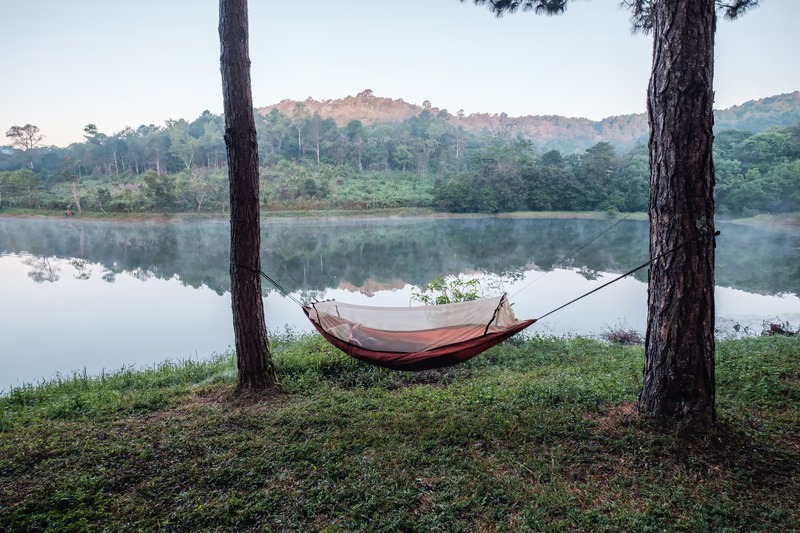
Waterfront campsites remain extremely popular among hammock campers. Easy access to water, beautiful scenery, and cooling temperatures make these areas highly appealing.
However, the best hammock camping locations near water are rarely found directly beside shorelines. Small adjustments in placement can dramatically improve comfort and safety.
Avoiding Flood Zones
One common mistake involves selecting sites too close to water levels. Rivers and lakes can rise quickly due to rainfall or upstream conditions.
Experienced campers look for signs of seasonal flooding and choose elevated locations that remain protected even during changing conditions.
Managing Insects and Humidity
Water environments often attract mosquitoes and other insects. Humidity levels can also increase significantly during evening hours.
Positioning campsites slightly away from water while maintaining access often creates a more comfortable balance between scenery and practicality.
Jungle and Tropical Environments
Tropical regions highlight many of the advantages that hammocks offer over tents. Elevated sleeping systems help avoid saturated ground, improve airflow, and reduce exposure to insects.
In humid environments, proper site selection becomes even more important. Ventilation often determines whether a night feels comfortable or exhausting.
Wildlife and Vegetation Considerations
Dense vegetation requires careful inspection before setup. Campers should avoid hazardous plants, insect concentrations, and areas with obvious wildlife activity.
Selecting safer locations requires observation and patience. Rushing the process often creates unnecessary risks.
Winter Hammock Camping Locations
Many campers assume hammocks are only suitable for warm weather. In reality, winter hammock camping can be highly rewarding when locations are selected carefully.
The best hammock camping locations during winter prioritize wind protection above all else. Exposure can dramatically reduce comfort and increase insulation demands.
Forest Density and Cold Management
Dense forest environments often provide superior winter protection. Trees help reduce wind speeds and create more stable sleeping conditions.
Snow accumulation should still be considered. Campers must evaluate surrounding branches and avoid areas where falling snow or ice could create hazards.
Public Campgrounds vs Backcountry Locations
Both public campgrounds and backcountry areas offer unique advantages. Campgrounds provide convenience, predictable facilities, and easier access. Backcountry locations offer solitude and greater flexibility.
Choosing between the two depends largely on personal goals. Experienced campers often alternate between both depending on trip objectives and seasonal conditions.
Evaluating Campground Policies
Not all campgrounds welcome hammock camping equally. Some have strict tree protection rules or designated hanging areas.
Researching policies before arrival helps prevent frustration and ensures compliance with local regulations.
Advanced Site Selection Decision Framework
Experienced hammock campers often follow a mental checklist when evaluating unfamiliar terrain. They assess anchor quality, weather exposure, water access, wildlife activity, emergency considerations, and environmental impact.
This process becomes faster with experience. Instead of focusing on appearance alone, they evaluate how each factor contributes to overall campsite quality. This decision-making framework helps identify truly exceptional hammock camping locations.
Common Mistakes After the Beginner Stage
Many intermediate campers make the mistake of prioritizing scenery over practicality. Beautiful locations sometimes introduce unnecessary exposure to wind, insects, or weather hazards.
Another common error involves ignoring seasonal changes. Conditions that work perfectly during one season may become problematic during another. Continuous learning and adaptation remain essential parts of successful hammock camping.
Building a Location Selection Strategy
The best hammock campers develop personalized strategies based on their goals. Some prioritize photography opportunities. Others focus on comfort, solitude, or adventure.
Matching destination choices with trip objectives leads to better experiences. Over time, repeated evaluation of different environments helps build the judgment necessary for consistently selecting excellent hammock camping locations.
Conclusion
Location selection is arguably the most important skill in hammock camping. Gear can improve comfort, but the environment ultimately determines the quality of the experience. Understanding how forests, mountains, coasts, deserts, rivers, and winter landscapes affect campsite conditions allows campers to make smarter decisions.
The best hammock camping locations are rarely chosen by chance. They result from observation, planning, environmental awareness, and experience. As skills develop, campers become better at identifying sites that provide both comfort and safety while maximizing the enjoyment of every trip.