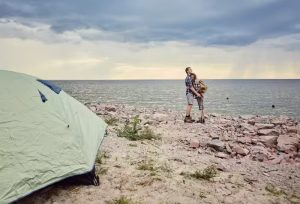
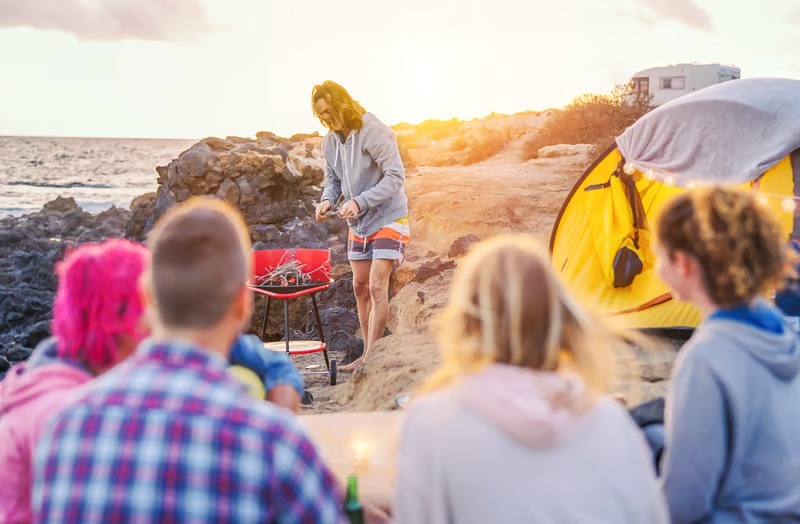
Beach camping combines the freedom of outdoor travel with the calming experience of the ocean. It is one of the most rewarding ways to enjoy nature because it blends sound, scenery, and simplicity in a single experience. Unlike forest or mountain camping, beach camping brings unique challenges such as tides, wind exposure, salt air, and shifting sand. That is why understanding Beach Camping Spots in detail is essential before planning a trip. The right preparation turns a simple coastal visit into a safe and memorable outdoor adventure.
What Makes Beach Camping Spots So Unique for Travelers
Beach camping offers a different rhythm compared to traditional camping environments. The constant sound of waves, open horizons, and soft sand create a peaceful but dynamic setting. However, the environment is also less predictable than forests or established campgrounds.
The appeal of sleeping near the ocean
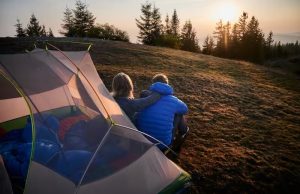
Sleeping near the ocean provides a sensory experience that is hard to match. The sound of waves creates a natural background that many people find relaxing. The cool breeze and open sky add to the feeling of freedom. Sunrises and sunsets over water also enhance the emotional appeal of beach camping. For many travelers, this connection to nature is the main reason they choose coastal camping over other options.
Differences between beach camping and inland camping experiences
Beach camping is more exposed than inland camping. There is less natural shelter from wind and sun, and the ground is constantly shifting. Sand can make setup more challenging, and salt air can affect gear durability over time. Unlike forests where trees provide anchor points, beach campers must rely on specialized equipment and careful site selection. These differences make preparation more important than in other camping environments.
Essential Planning Before Visiting Beach Camping Spots
Proper planning is critical for a successful beach camping experience. The coastal environment can change quickly, and preparation reduces risk while improving comfort.
Seasonal timing and weather considerations
Weather plays a major role in beach camping safety. Summer offers warmer temperatures but can bring intense sun exposure and crowded beaches. Winter or off-season camping may provide more privacy but can include strong winds and cooler nights. Checking wind patterns, storm forecasts, and tidal schedules is essential before selecting Beach Camping Spots.
Permits, rules, and local regulations you should know
Many coastal areas have strict camping regulations. Some beaches allow overnight stays only in designated zones, while others require permits. Protected marine areas may restrict camping entirely. Understanding local rules helps avoid fines and protects sensitive ecosystems. Always check official guidelines before setting up camp.
Types of Beach Camping Spots Around the World
Beach camping locations vary widely depending on geography and environment. Some are developed campgrounds with facilities, while others are remote and untouched stretches of coastline. Popular types include family-friendly beaches with amenities, national park coastal sites, and isolated wilderness beaches accessible only by hiking or boat. Each type offers a different balance of comfort, accessibility, and adventure.
How to Choose the Best Beach Camping Location
Selecting the right location is one of the most important decisions in beach camping. It directly affects safety, comfort, and overall enjoyment.
Safety factors like tides, winds, and shoreline stability
Tides are one of the most important considerations when choosing Beach Camping Spots. Camping too close to the shoreline can be dangerous during high tide. Wind direction also affects comfort and tent stability. Strong coastal winds can damage poorly secured shelters. The ground should be stable enough to support tents without risk of flooding or erosion.
Accessibility and distance from urban areas
Some campers prefer remote beaches for privacy, while others choose accessible locations for convenience. Remote areas offer more solitude but require better preparation and self-sufficiency. Urban-adjacent beaches provide easier access to supplies but may be more crowded. The choice depends on experience level and travel goals.
Must-Have Gear for Comfortable Coastal Camping
Beach environments require specific gear to handle sand, wind, and salt exposure.
Shelters should be designed for strong anchoring in sand. Standard tent stakes may not work well, so sand anchors or weighted systems are often necessary. Materials should resist salt corrosion and moisture damage.
Clothing should provide sun protection and ventilation. Lightweight, breathable fabrics are ideal for daytime heat, while windproof layers help during cooler nights. Waterproof bags are important for protecting electronics and food from moisture and sand.
Setting Up Camp on the Beach the Right Way
Proper setup ensures safety and comfort throughout the trip.
Finding stable ground above the tide line
One of the most critical Beach Camping Spots strategies is choosing a location above the high-tide line. This prevents flooding during nighttime tide changes. Look for natural markers such as drift lines or vegetation edges to identify safe zones. Avoid low-lying depressions where water may collect.
Anchoring tents and gear in sandy environments
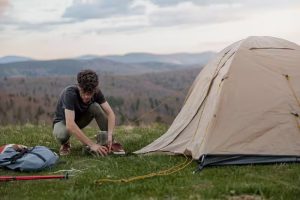
Sand does not hold traditional stakes well. Using wider anchors, sandbags, or buried objects improves stability. Tents should be secured against wind from multiple directions. Regularly checking tension throughout the day helps maintain structure integrity.
Wildlife and Environmental Awareness at Beach Camping Spots
Coastal environments are home to sensitive ecosystems that require careful interaction.
Respecting marine ecosystems and protected areas
Many beach areas are protected habitats for marine life, birds, and vegetation. Campers should avoid disturbing nesting areas and always follow conservation rules. Leaving no trace is especially important in fragile coastal environments.
Dealing with insects, crabs, and coastal wildlife safely
Beach environments often include insects such as sandflies and mosquitoes. Small crabs and other shore wildlife may also appear near campsites. Proper food storage and clean setups help avoid unwanted interactions. Feeding wildlife should always be avoided.
Food, Water, and Cooking Tips for Beach Camping
Managing resources is more challenging in coastal environments due to humidity and limited shade.
Food should be stored in sealed containers to protect against sand and salt exposure. Lightweight meals that require minimal cooking are ideal. Fresh water is essential, and campers should bring more than expected since coastal heat increases hydration needs. Portable stoves are preferred over open fires in many regulated Beach Camping Spots.
Safety Guidelines Every Beach Camper Should Follow
Safety is essential when camping near the ocean.
Understanding tides and sudden water level changes
Tides can change faster than expected. Campsites should always be set well above high tide levels. Checking tidal charts before and during the trip is necessary. Unexpected waves or storm surges can quickly affect shoreline conditions.
Sun exposure risks and hydration strategies
Sun exposure is stronger near reflective water and sand surfaces. Sunscreen, hats, and shade structures are essential. Dehydration is a common risk, so regular water intake is critical throughout the day.
Popular Beach Camping Spots for Beginners and Experienced Campers
Beach camping locations vary in difficulty and accessibility. Beginner-friendly spots often include designated campgrounds with facilities such as restrooms, water access, and marked camping zones. These areas provide a safer introduction to coastal camping.
More experienced campers may prefer remote beaches that require hiking or boating access. These locations offer solitude and natural beauty but require advanced preparation and self-sufficiency. Choosing the right type of Beach Camping Spots depends on experience level and comfort with outdoor conditions.
Activities to Enjoy While Camping by the Sea
Beach camping offers more than just sleeping outdoors. Swimming, kayaking, and snorkeling are popular activities in many coastal areas. Fishing is also common in permitted zones. For those seeking relaxation, beach walking, photography, and sunset watching provide peaceful experiences. The combination of water, sand, and open sky creates a naturally calming environment.
Common Mistakes to Avoid When Exploring Beach Camping Spots
Many beginners make avoidable mistakes that affect safety and comfort.
One of the most common errors is ignoring tide schedules. Setting up too close to the water can lead to flooded campsites. Another mistake is underestimating wind strength, which can damage poorly secured tents. Many campers also forget to protect gear from sand and salt, which can cause long-term damage to equipment.
Proper planning and awareness can prevent these issues and ensure a smoother experience.
Final Thoughts
Beach Camping Spots offer a unique blend of adventure, relaxation, and natural beauty. However, they require careful preparation and respect for environmental conditions. By understanding tides, weather, gear requirements, and safety practices, campers can enjoy a rewarding coastal experience. Whether choosing a developed site or a remote shoreline, the key is balancing comfort with awareness. With the right approach, beach camping becomes not just a trip, but a memorable connection with the ocean and nature.