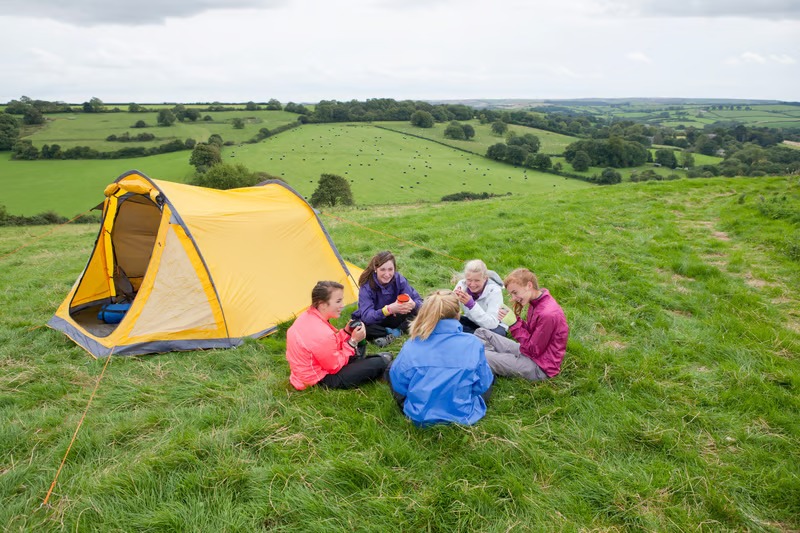
Large Camping Tents are designed for people who want comfort, space, and shared outdoor experiences. Unlike small tents built for solo hikers or couples, these tents focus on livability. They allow families and groups to stay together without feeling cramped. As group camping becomes more popular, demand for better-designed large shelters continues to grow. Choosing the right tent is not just about size. It is about structure, weather resistance, interior layout, and long-term usability.
Why Large Camping Tents Are Essential for Group Camping Trips
Group camping changes the way outdoor space is used. Instead of individual shelters, one shared structure becomes the center of activity. This makes Large Camping Tents an essential part of modern camping trips.
The growing demand for shared outdoor experiences
More people are choosing camping as a social activity. Families, friends, and travel groups prefer staying together in one shelter rather than splitting into multiple smaller tents. This improves communication, coordination, and shared experience. A large tent becomes more than just sleeping space. It becomes a communal living area.
How space improves comfort, privacy, and organization
Space directly affects comfort. In small tents, movement is limited and gear often gets scattered. Large tents reduce these issues by offering separate zones for sleeping, storage, and relaxation. Even basic privacy improves when the interior is well planned. Organization becomes easier, especially on longer trips where multiple people share gear and supplies.
Key Factors That Define High-Quality Large Camping Tents
Not all large tents are built the same. Some prioritize comfort, while others focus on durability or weather resistance.
Capacity ratings vs real usable space
Tent capacity ratings can be misleading. A tent labeled for eight people may only comfortably fit six with gear. Real usability depends on layout, not just numbers. When evaluating Large Camping Tents, it is important to consider sleeping arrangements, storage needs, and walking space inside the tent.
Weather resistance and seasonal performance
Weather protection is one of the most important features. A good tent should handle rain, wind, and temperature changes without compromising safety. Seasonal ratings help identify whether a tent is suitable for summer, three-season, or winter use. Strong waterproofing and durable poles are critical for unpredictable conditions.
Different Styles of Large Camping Tents for Outdoor Use
Large tents come in several structural designs. Each type offers different advantages depending on environment and group size.
Cabin-Style Large Camping Tents and Their Practical Benefits
Cabin-style tents are among the most popular choices for family camping.
Vertical walls and interior headroom advantages
These tents feature near-vertical walls, which maximize interior space. This design allows people to stand upright comfortably, making daily activities easier. It also improves airflow and makes the tent feel less restrictive.
Ideal use cases for families and extended stays
Cabin tents are ideal for long camping trips where comfort matters. Families with children often prefer this style because it allows better movement and organization. However, they may not perform as well in strong wind conditions compared to lower-profile designs.
Dome-Style Large Camping Tents for Stability and Wind Resistance
Dome tents are designed for strength and stability. Their curved structure helps distribute wind pressure evenly, making them more reliable in harsh weather. While they may offer less vertical space than cabin tents, they perform better in stormy or windy environments. This makes them suitable for campers who prioritize safety over interior height.
Tunnel Large Camping Tents for Long Family Camping Setups
Tunnel tents use a series of connected arches to create a long interior space. This design is efficient for separating sleeping and living areas. Families often use tunnel tents because they allow natural zoning inside the shelter. However, they require proper anchoring since their elongated shape can be affected by strong side winds.
Inflatable Large Camping Tents and Modern Air Beam Technology
Inflatable tents are a newer innovation in camping gear. Instead of metal poles, they use air-filled beams for structure. This makes setup faster and easier, especially for large shelters. These Large Camping Tents are popular among campers who want convenience without sacrificing space. However, they require careful maintenance to avoid punctures or air leaks.
Interior Layout Planning Inside Large Camping Tents
A large tent is only useful if the interior is well organized.
Sleeping zones for families and groups
Dividing sleeping areas helps improve comfort and privacy. Many families use partitions or separate sections within the tent. This reduces disturbance and creates a more structured living environment.
Living and storage space organization strategies
Storage is often overlooked but essential. Gear, food, and clothing should be kept in designated areas to avoid clutter. Hanging organizers, storage bins, and corner zones help maintain order. A well-planned interior makes Large Camping Tents feel significantly more comfortable.
Ventilation and Climate Control in Large Camping Tents
Airflow plays a major role in tent comfort. Without proper ventilation, condensation and heat buildup can become serious issues.
Airflow design and condensation management
Good tents include multiple vents and mesh panels to allow air circulation. This reduces moisture buildup, especially in humid conditions. Proper ventilation also improves sleep quality by maintaining a stable interior climate.
Heating and cooling solutions for different seasons
In colder weather, campers may use safe heating systems designed for tents. In hot weather, shade positioning and airflow become more important. The ability to manage temperature effectively increases the usability of Large Camping Tents across seasons.
Setup and Packing Challenges With Large Camping Tents
Large tents often require more effort to set up compared to smaller models.
Time, labor, and team setup coordination
Most large tents require at least two people for setup. The process can take longer depending on design complexity. Inflatable models reduce setup time but still require coordination for proper inflation and anchoring.
Storage size and transport considerations
When packed, large tents take up significant space. This can be a challenge for car camping with limited storage. Weight and portability should always be considered before purchasing.
Weather Protection and Safety Features in Large Camping Tents
Safety should always be a priority when choosing a tent.
Rain, wind, and UV resistance factors
High-quality Large Camping Tents are built with waterproof materials and reinforced seams. UV protection also helps extend fabric life during long sun exposure. Wind resistance depends on structure and anchoring systems.
Ground anchoring and structural stability tips
Proper staking is essential for safety. Guy lines and reinforced poles help stabilize the tent in changing weather conditions. Ignoring anchoring can lead to damage or unsafe conditions.
Common Mistakes When Choosing Large Camping Tents
Many campers focus only on size and overlook practical details. One common mistake is choosing a tent based on maximum capacity instead of real usable space. Another is ignoring seasonal ratings, which leads to discomfort in extreme weather. Some buyers also underestimate setup complexity, especially for large models that require teamwork.
Budget and Long-Term Value of Large Camping Tents
Price varies widely depending on features and materials.
Entry-level vs premium tent investments
Entry-level tents are affordable but may lack durability or weather resistance. Premium Large Camping Tents offer better materials, stronger structures, and longer lifespan. The right choice depends on how often the tent will be used.
Durability, repairability, and lifespan considerations
A good tent should last several seasons with proper care. Repairable materials and replaceable parts increase long-term value. Investing in quality often reduces replacement costs over time.
Final Thoughts
Large Camping Tents are more than just shelters. They are shared living spaces that shape the entire camping experience. The best choice depends on group size, travel style, and environmental conditions. Cabin, dome, tunnel, and inflatable designs each offer unique benefits. By focusing on space, durability, ventilation, and setup practicality, campers can choose a tent that feels comfortable and reliable in real outdoor conditions. A well-chosen tent transforms group camping into a more organized, enjoyable, and memorable experience.