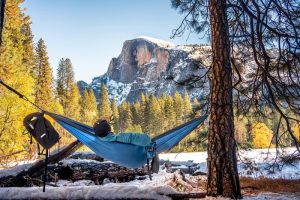

Hammock camping has transformed from a niche outdoor activity into a popular alternative to traditional tent camping. Backpackers, hikers, adventure travelers, and recreational campers increasingly choose hammocks because they are lightweight, portable, comfortable, and adaptable to a variety of outdoor environments. Sleeping suspended above the ground allows campers to avoid rocky terrain, wet campsites, uneven surfaces, and many of the discomforts commonly associated with tent camping.
While most people focus on selecting the right hammock, tarp, bug net, or insulation system, one of the most important components of a hammock camping setup is often overlooked: the suspension system. The suspension system is the collection of straps, ropes, buckles, carabiners, and connection points that secure the hammock between anchor points such as trees. Without a reliable suspension system, even the highest-quality hammock cannot provide a safe or comfortable overnight experience.
Proper hammock suspension serves several critical functions. It supports the camper’s weight, maintains appropriate hammock positioning, distributes force safely across anchor points, protects trees from damage, and helps create the ideal sleeping angle for comfort. A poorly configured suspension system can lead to uncomfortable sleep, increased equipment wear, environmental damage, and even accidents or injuries.
Overnight camping introduces additional challenges that make suspension quality especially important. During the day, a hammock may only be used briefly for relaxation. Overnight use, however, places sustained stress on suspension components for many hours. Weather conditions such as rain, wind, temperature changes, and humidity can also affect equipment performance. Because campers rely on their suspension systems throughout the night, proper setup and equipment selection become essential considerations.
The growing popularity of hammock camping has led to significant advancements in suspension technology. Modern systems offer improved adjustability, strength, ease of use, and environmental friendliness compared to older rope-based methods. Nevertheless, many new hammock campers still underestimate the importance of suspension design and setup techniques.
Understanding why proper hammock suspension is important for overnight camping helps outdoor enthusiasts make informed decisions about equipment selection, campsite setup, comfort optimization, and safety practices. By mastering suspension fundamentals, campers can significantly improve their outdoor experiences while protecting both themselves and the natural environments they enjoy.
Understanding Hammock Suspension
Before exploring its importance, it is useful to understand what hammock suspension actually is.
Definition
Hammock suspension refers to the components that connect the hammock to anchor points.
Core Components
A suspension system may include:
- Tree straps
- Carabiners
- Buckles
- Ropes
- Whoopie slings
Primary Function
The system supports the hammock safely.
Critical Role
Suspension affects both comfort and safety.
Why Suspension Matters More Than Many Campers Realize
Many beginners focus mainly on the hammock itself.
Structural Support
Suspension bears the camper’s weight.
Position Control
It determines how the hammock hangs.
Safety Assurance
Reliable suspension reduces accident risks.
Comfort Enhancement
Proper angles improve sleeping quality.
Supporting Body Weight Safely
Safety is the most important function of suspension.
Load Management
The system must support body weight consistently.
Force Distribution
Weight is spread across anchor points.
Stability
Reliable support prevents unexpected failures.
Overnight Reliability
Campers depend on suspension throughout the night.
Preventing Suspension Failure
Equipment failure can create safety concerns.
Material Strength
Quality components resist breaking.
Proper Installation
Correct setup improves reliability.
Routine Inspection
Wear and damage should be identified.
Risk Reduction
Maintenance helps prevent accidents.
Creating the Correct Hammock Angle
Suspension determines hammock geometry.
Hang Angle
The angle influences comfort significantly.
Body Position
Proper positioning supports restful sleep.
Pressure Reduction
Good angles reduce discomfort.
Improved Relaxation
Sleeping quality improves.
The Importance of the 30-Degree Angle
Many hammock campers follow a common guideline.
Balanced Suspension
A 30-degree angle often provides optimal performance.
Reduced Stress
Equipment experiences less strain.
Better Comfort
Body positioning improves.
Easier Setup
Consistent results become achievable.
Improving Sleep Quality
Comfort is one of the biggest reasons people choose hammocks.
Better Body Alignment
Proper suspension improves positioning.
Reduced Pressure Points
Comfort increases throughout the night.
Enhanced Relaxation
Sleep becomes more restorative.
Outdoor Enjoyment
Camping experiences improve overall.
Achieving a Flat Sleeping Position
Many campers prefer a flatter lay.
Diagonal Sleeping
Positioning improves spinal alignment.
Reduced Curvature
Body posture becomes more natural.
Greater Comfort
Extended sleeping becomes easier.
Better Recovery
Quality rest supports outdoor activities.
Reducing Stress on Equipment
Suspension angles influence equipment durability.
Force Distribution
Stress is managed more effectively.
Reduced Wear
Components last longer.
Improved Reliability
Systems remain dependable.
Long-Term Value
Equipment investments are protected.
Protecting the Hammock Fabric
Suspension affects more than straps alone.
Fabric Stress
Improper setups strain hammock materials.
Seam Protection
Critical stitching experiences less tension.
Durability Improvement
The hammock lasts longer.
Maintenance Benefits
Repairs become less frequent.
Tree Protection and Environmental Responsibility
Responsible camping includes environmental stewardship.
Tree Health
Improper suspension can damage bark.
Ecosystem Preservation
Healthy trees support natural environments.
Leave No Trace Principles
Responsible practices reduce impact.
Sustainable Recreation
Future visitors benefit.
Why Tree Straps Are Essential
Modern suspension systems typically use tree straps.
Wider Surface Area
Pressure is distributed more evenly.
Reduced Bark Damage
Trees remain healthier.
Greater Stability
Anchor points become more secure.
Campground Compliance
Many parks require tree-friendly straps.
Avoiding Rope Damage to Trees
Traditional ropes can create problems.
Concentrated Pressure
Narrow ropes increase stress.
Bark Injury
Protective layers may become damaged.
Long-Term Harm
Tree health can decline.
Environmental Concerns
Responsible campers avoid these risks.
Improving Setup Flexibility
Good suspension systems adapt to different environments.
Variable Tree Distances
Different campsites require adjustments.
Terrain Adaptation
Setups become more versatile.
Height Adjustments
Positioning can be customized.
Greater Convenience
Campers gain flexibility.
Easier Campsite Selection
Flexible suspension expands options.
Forested Areas
Multiple setup opportunities become available.
Uneven Terrain
Ground conditions matter less.
Efficient Setup
Campers spend less time searching.
Better Experiences
Suitable campsites become easier to find.
Weather Resistance and Suspension Performance
Outdoor conditions affect equipment.
Rain Exposure
Moisture can influence materials.
Wind Stress
Suspension systems experience additional forces.
Temperature Changes
Conditions may affect performance.
Durability Requirements
Reliable materials become essential.
Preventing Sag During the Night
Poor suspension setups often sag.
Comfort Loss
Body position changes unexpectedly.
Reduced Sleep Quality
Rest becomes less effective.
Setup Challenges
Adjustments may be required.
Better Systems
Proper suspension minimizes sagging.
Stability During Movement
Campers naturally move while sleeping.
Dynamic Loads
Body movement changes tension.
Secure Support
Stable suspension improves safety.
Reduced Shifting
Movement becomes less disruptive.
Better Sleep
Disturbances decrease.
Suspension and Weight Capacity
Every system has limits.
Manufacturer Ratings
Weight limits should always be respected.
Safety Margins
Quality systems include additional strength.
Proper Use
Exceeding limits creates risks.
Equipment Longevity
Appropriate loads preserve durability.
Why Cheap Suspension Can Be Risky
Cost savings may create problems.
Lower Material Quality
Durability may be compromised.
Reduced Reliability
Failures become more likely.
Limited Adjustability
Setup flexibility decreases.
Safety Concerns
Risk increases significantly.
Common Suspension Materials
Different materials offer unique benefits.
Polyester
Popular due to low stretch.
Nylon
Strong and lightweight.
Dyneema
Extremely lightweight and durable.
Hybrid Systems
Combine multiple advantages.
Understanding Suspension Stretch
Material properties influence performance.
Elasticity
Some materials stretch more than others.
Comfort Effects
Excessive stretch may reduce stability.
Position Changes
Hammock height may shift overnight.
Equipment Selection
Low-stretch materials are often preferred.
Adjustable Suspension Systems
Modern systems emphasize convenience.
Quick Setup
Campers save time.
Fine-Tuning
Positioning becomes more precise.
User-Friendly Design
Beginners benefit from simplicity.
Versatility
Systems adapt to different conditions.
Popular Suspension Types
Several designs are widely used.
Daisy Chain Straps
Easy adjustment points.
Whoopie Slings
Lightweight and efficient.
Buckle Systems
Simple and secure.
Rope-Based Systems
Traditional but less common.
Why Beginners Benefit From Modern Suspension
Modern equipment simplifies camping.
Faster Learning Curve
Setup becomes easier.
Reduced Mistakes
Adjustments are more intuitive.
Improved Safety
Reliable designs reduce risks.
Better Experiences
New campers gain confidence.
Importance of Regular Equipment Inspection
Suspension should be checked routinely.
Wear Detection
Damage becomes visible early.
Hardware Evaluation
Carabiners and buckles remain reliable.
Strap Condition
Fraying can be identified.
Accident Prevention
Inspection reduces risks.
Common Suspension Mistakes
Many problems stem from setup errors.
Hanging Too Tight
Excessive tension stresses equipment.
Hanging Too Loose
Comfort suffers.
Poor Anchor Selection
Weak trees create risks.
Ignoring Wear
Damaged components remain in use.
Suspension and Cold Weather Camping
Winter conditions create additional demands.
Increased Equipment Stress
Conditions become more challenging.
Material Performance
Cold temperatures affect some components.
Setup Precision
Comfort becomes even more important.
Safety Considerations
Preparation matters.
Benefits of Investing in Quality Suspension
Quality equipment often provides significant advantages.
Better Safety
Reliable components reduce risks.
Improved Comfort
Setup quality improves sleep.
Longer Lifespan
Equipment lasts longer.
Greater Confidence
Campers enjoy peace of mind.
Frequently Asked Questions
What is hammock suspension?
Hammock suspension is the system of straps, ropes, carabiners, and hardware used to attach a hammock to anchor points.
Why is hammock suspension important?
It affects safety, comfort, equipment durability, environmental protection, and overall camping success.
What angle should a hammock be hung at?
Many campers recommend approximately a 30-degree suspension angle for optimal comfort and safety.
Are tree straps necessary?
Yes. Tree straps protect trees, improve stability, and are often required by campgrounds.
Can poor suspension damage a hammock?
Yes. Incorrect suspension can place excessive stress on fabric, seams, and hardware.
Final Thoughts
Proper hammock suspension is one of the most important factors in successful overnight camping. While hammocks often receive most of the attention, the suspension system serves as the foundation that supports safety, comfort, durability, and environmental responsibility. A well-designed suspension setup distributes weight effectively, protects trees, maintains proper hammock angles, reduces equipment stress, and helps campers achieve restful sleep in a variety of outdoor conditions.
By investing in quality suspension components, learning correct setup techniques, performing regular equipment inspections, and following responsible camping practices, hammock campers can significantly improve their outdoor experiences. Whether embarking on a weekend backpacking trip or an extended wilderness adventure, proper suspension remains a critical element that transforms a simple hammock into a reliable and comfortable overnight shelter.