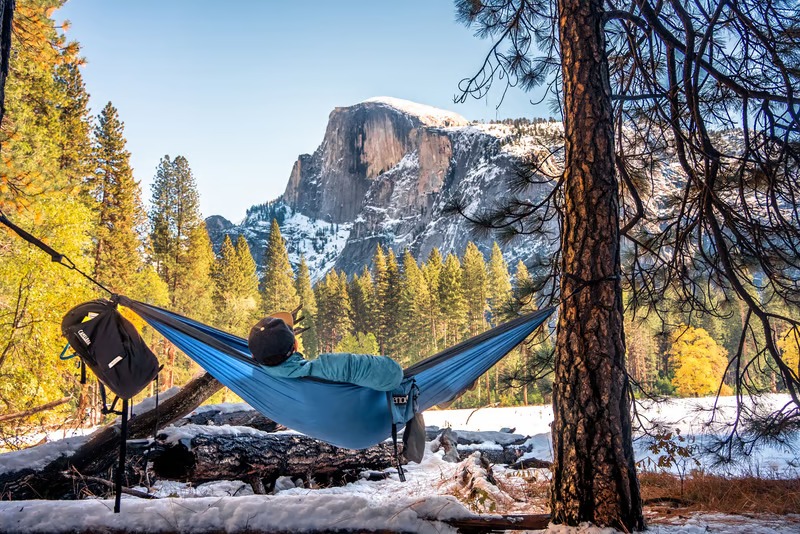
Hammock camping can be a fantastic way to experience the great outdoors. The freedom of hanging in a hammock and enjoying nature can be refreshing and exhilarating. However, when the temperatures drop, staying warm becomes a top priority. If you’ve ever tried hammock camping in cold weather, you know how quickly the chill can set in. In this post, we’ll explore various strategies to keep you cozy and comfortable while hammock camping in cold weather. You’ll learn about essential gear, insulation techniques, and tips to make your camping experience enjoyable even in lower temperatures.
Understanding the Challenges of Cold Weather Hammock Camping
Temperature Drops at Night
One of the first things to understand about hammock camping in cold weather is the significant temperature drop that occurs at night. Unlike tents, which can provide some insulation from the ground, hammocks expose you to the open air. This means that as the sun sets, you might quickly feel the cold creep in. Being aware of how much the temperature can drop at night is crucial for planning your gear and clothing.
Wind and Exposure
Wind can be your biggest enemy when camping in a hammock. It can dramatically increase how cold it feels, even on relatively mild nights. If you can, choose a campsite that’s sheltered from the wind. Look for natural barriers like trees or hills that can help block gusts. Positioning your hammock to take advantage of these features can make a big difference in your comfort level.
Essential Gear for Warmth
Choosing the Right Hammock
When it comes to hammock camping cold weather, the right hammock can make all the difference. Look for a hammock that is designed for cooler temperatures. It should be made of materials that provide some insulation and be spacious enough for layering gear underneath. Some hammocks come with built-in insulation features, which can help trap heat effectively.
Sleeping Bags and Underquilts
Sleeping bags and underquilts play a vital role in keeping you warm. While regular sleeping bags can work, underquilts are specifically designed for hammocks. They hang beneath you to eliminate the cold air that can seep in from below. When selecting insulation, pay attention to the R-value, which indicates how well it insulates against the cold. Higher R-values mean better insulation for chilly nights.
Tarps and Windbreaks
Tarps are not just for rain; they can also help keep you warm. A good tarp can act as a barrier against wind and retain heat. When setting up your hammock, make sure your tarp is positioned low enough to block wind without obstructing your view. You can also set up windbreaks using natural materials or additional tarps to create a sheltered space around your hammock.
Insulation Strategies
Layering Techniques
Layering your clothing is one of the most effective ways to stay warm while hammock camping in cold weather. Start with a moisture-wicking base layer to keep sweat away from your skin. Add a thick insulating mid-layer, like fleece or down, and finish with a windproof outer layer. This approach not only traps heat but also allows you to adjust your clothing based on your activity level.
Utilizing Ground Insulation
Using ground insulation can significantly improve your warmth while hammock camping. Try placing a foam pad or an extra blanket underneath your hammock. This extra layer acts as a barrier against the cold air from below. Even if you have an underquilt, adding ground insulation can enhance your comfort and warmth.
Staying Warm While Sleeping
Proper Sleeping Position
Your sleeping position can affect how warm you feel in your hammock. Try lying diagonally in your hammock rather than straight. This position can help create a flatter surface, which makes it easier to keep warm. You can also experiment with bending your knees slightly to find the most comfortable and cozy position.
Heat Retention Techniques
To help retain body heat while sleeping, consider using heat packs or warm water bottles. Place these near your core to enhance warmth without the risk of getting too hot. Just be careful to wrap them properly to avoid burns. Using a hot water bottle can be especially comforting on cold nights.
Cooking and Staying Active
Preparing Warm Meals
Warm meals can be a great way to keep your body temperature up. When planning your camping trip, think about meals that are easy to prepare and can be heated quickly. Lightweight stoves and cooking gear make it simple to whip up hot soups or stews, which can be incredibly satisfying after a day in the cold.
Staying Active
Staying active is key to maintaining warmth. Engage in activities that get your blood flowing, like hiking or setting up your campsite. Even simple stretches or a short walk can help keep your body warm. Just remember to balance activity with rest to avoid overexertion.
Safety Considerations
Recognizing Hypothermia and Frostbite
While enjoying your hammock camping trip, it’s crucial to recognize the signs of hypothermia and frostbite. Symptoms of hypothermia can include shivering, confusion, and fatigue. Frostbite often affects extremities like fingers and toes and can start with numbness. Make sure to have a plan in place for what to do if you or someone else starts experiencing these symptoms.
Packing for Cold Weather
When hammock camping in cold weather, packing the right gear is essential. Bring along items that will keep you warm and safe. This includes extra layers, insulated sleeping gear, and cooking equipment. Make sure you prepare for unexpected weather changes by packing a few extra essentials.
Conclusion
Staying warm while hammock camping in cold weather is all about preparation and the right gear. By understanding the challenges posed by the cold, using proper insulation, and employing effective strategies, you can enjoy a comfortable camping experience. Remember that with the right setup and a little know-how, hammock camping can be just as enjoyable in the winter months as it is in summer. So get out there and enjoy the beauty of the outdoors, even when it’s chilly!
FAQs
1. What is the best way to stay warm while hammock camping in cold weather?
The best way to stay warm while hammock camping cold weather is to use proper insulation, dress in layers, and ensure your hammock is set up in a sheltered location.
2. Do I need an underquilt for hammock camping in cold weather?
Yes, an underquilt is highly recommended for hammock camping cold. It provides essential insulation from the cold air beneath you, helping to keep you warm.
3. What type of sleeping bag is best for cold-weather camping?
Look for a sleeping bag with a high R-value for insulation. Down sleeping bags are lightweight and warm, while synthetic bags perform well in wet conditions.
4. How can I keep my food warm while camping in cold weather?
To keep food warm while hammock camping cold weather, use insulated containers or thermoses. Cooking meals that can be served hot, like soups, also helps maintain warmth.
5. What are the signs of hypothermia while camping?
Signs of hypothermia include shivering, confusion, fatigue, and slurred speech. It’s essential to recognize these symptoms early and take action to warm up.