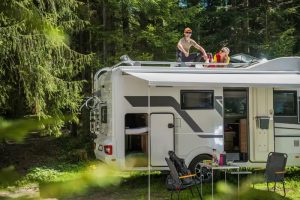

Camping is no longer just about survival or roughing it in nature. Modern outdoor gear has changed the way people experience the outdoors, and hygiene is a big part of that shift. One of the most useful innovations in this space is Portable Camping Showers. These systems allow campers to wash, refresh, and maintain hygiene even in remote locations without fixed plumbing. Understanding how they work helps you choose the right system and use it effectively in real outdoor conditions.
Understanding the Purpose of Portable Camping Showers in Outdoor Living
Portable Camping Showers are designed to solve a simple but important problem: access to clean water for bathing in outdoor environments. While camping, hiking, or traveling off-grid, traditional bathroom facilities are often unavailable. This can quickly lead to discomfort, reduced morale, and hygiene issues.
Why hygiene matters in remote and off-grid environments
When you are outdoors for multiple days, sweat, dirt, sunscreen, and dust build up on your skin. This is not just uncomfortable but can also lead to skin irritation or infections if ignored. In humid or hot climates, the issue becomes even more noticeable. Portable showers help maintain basic hygiene standards, which directly affects health and energy levels during outdoor trips. Cleanliness also improves sleep quality and overall enjoyment of the experience.
How portable showers improve comfort during long camping trips
Comfort is often underestimated in outdoor planning. A simple rinse after hiking or cooking outdoors can dramatically improve how refreshed you feel. Portable Camping Showers allow you to reset your body temperature, remove sweat, and relax after physical activity. This makes long trips more sustainable because you are not constantly feeling sticky or dirty, which can affect motivation and mood.
Different Types of Portable Camping Showers
There is no single design for Portable Camping Showers. Instead, there are multiple systems built for different environments and user needs. Each type uses a different method to move and deliver water.
Gravity-fed showers are the simplest design. They use a raised water container that lets water flow downward naturally. Pump showers use manual pressure systems to push water out. Solar showers rely on sunlight to heat water stored in dark bags. Electric or battery-powered showers use small pumps to create steady water flow. Each type balances convenience, weight, and performance differently, making them suitable for different camping styles.
The Core Components That Make Portable Camping Showers Work
Although designs vary, most Portable Camping Showers share a few core components. These include a water storage container, a delivery hose, a nozzle or shower head, and a flow control system.
The water storage unit holds the supply. The hose transfers water from the container to the user. The shower head controls how water is released, either as a steady stream or a spray. The control system, which may be a valve, pump, or gravity setup, regulates water flow and pressure. Together, these parts create a simple but effective system that mimics a basic home shower in a portable format.
How Portable Camping Showers Actually Function in Real Conditions
The working principle behind Portable Camping Showers is surprisingly simple, but real-world use introduces variables like temperature, pressure, and terrain.
Step-by-step water flow process from storage to spray
First, water is collected and stored in a container or reservoir. This can be filled from a tap, river, or carried supply. Once the system is set up, gravity or pressure forces water through a connected hose. The hose carries water toward the shower head, where it is released through small openings. The flow rate depends on elevation, pressure system, and nozzle design. In gravity systems, height is critical. In pump systems, user effort or battery power determines flow strength.
Role of pressure systems in creating usable water flow
Pressure is what makes a portable shower feel more like a real shower. Without it, water simply trickles out. Pump-based systems increase internal pressure, pushing water out with more force. Electric systems maintain consistent pressure without manual effort. Gravity systems rely on height difference between the tank and shower head. In all cases, pressure determines comfort, efficiency, and water usage speed.
Water Storage Methods Used in Portable Camping Showers
Water storage is one of the most important design elements. Most systems use flexible bags, rigid tanks, or collapsible containers. Soft bags are popular because they are lightweight and easy to pack. They can be hung from trees or stands for gravity use. Hard containers are more durable and stable but take up more space. Collapsible containers offer a balance between portability and capacity.
Storage size matters because it directly affects how long you can shower. Smaller systems are better for backpacking, while larger tanks are suited for car camping or group use. The material also matters, especially in hot environments where UV exposure can weaken low-quality plastics over time.
Heating Options for Portable Camping Showers
Temperature control is another important feature in Portable Camping Showers. Cold water may be refreshing in hot weather but uncomfortable in cooler climates.
Solar heating is the most common method. Water is stored in dark-colored bags that absorb sunlight and gradually warm the contents. This method is simple and energy-free but depends on weather conditions. Some advanced systems allow external heating using camp stoves or immersion heaters. Electric systems may include built-in heating elements, although they require more power and are usually used in vehicle-based camping setups.
Setup Process: How Campers Use Portable Camping Showers in the Wild
Setting up a portable shower is usually straightforward, but proper placement makes a big difference. Campers first fill the water reservoir, then elevate or pressurize the system depending on the type. The shower area should be chosen carefully, ideally on slightly sloped ground for drainage. Privacy is also important, so many campers use natural barriers or portable enclosures.
Once set up, the user controls water flow using a valve or nozzle. After use, the system is drained, cleaned, and packed away. Proper setup ensures both efficiency and environmental safety, especially in protected outdoor areas.
Best Use Cases for Portable Camping Showers
Portable Camping Showers are useful in a wide range of situations. They are ideal for multi-day camping trips where access to facilities is limited. Backpackers use lightweight versions for quick rinses. Car campers often prefer larger systems with better water flow. They are also commonly used at beaches, festivals, and remote work sites. In emergency or disaster situations, they can even serve as temporary hygiene solutions when infrastructure is unavailable.
Advantages and Limitations of Portable Camping Showers
Portable showers offer many advantages. They improve hygiene, increase comfort, and support longer outdoor stays. They are flexible, easy to transport, and available in multiple designs for different needs. However, they also have limitations. Water supply is limited, especially in remote areas. Some systems require manual effort or weather conditions to function effectively. Pressure is often lower than home showers, and setup time can vary depending on the model.
Understanding these trade-offs helps users choose realistic expectations and better match systems to their environment.
Maintenance and Cleaning for Long-Term Performance
Proper maintenance is essential for keeping Portable Camping Showers functional. After each trip, all components should be emptied and dried to prevent mold growth. Hoses and nozzles should be flushed to remove dirt or residue. Storage containers should be cleaned with mild soap and water.
If left uncleaned, bacteria and odors can develop quickly, especially in warm climates. Regular inspection of seals and connectors also helps prevent leaks. Proper storage in a cool, dry place extends the lifespan of the entire system.
Safety and Environmental Considerations When Using Portable Camping Showers
Safety is an important but often overlooked part of using portable showers. Wet surfaces can become slippery, so setup areas should be chosen carefully. Water temperature should always be tested before use, especially when using solar-heated systems.
Environmental responsibility is equally important. Soap and wastewater should be kept away from natural water sources like rivers and lakes. Biodegradable soap is recommended to reduce ecological impact. Responsible use ensures that natural camping areas remain clean and preserved for others.
Final Thoughts
Portable Camping Showers are simple systems built on basic principles of water storage, flow, and pressure. Despite their simplicity, they significantly improve outdoor living by adding comfort and hygiene to remote environments. Whether gravity-fed, pump-driven, or solar-heated, each system offers a practical solution for staying clean in nature. Understanding how they work helps campers choose the right model, use it efficiently, and maintain it properly. In the end, these systems bridge the gap between wilderness adventure and everyday comfort, making outdoor experiences more enjoyable and sustainable.