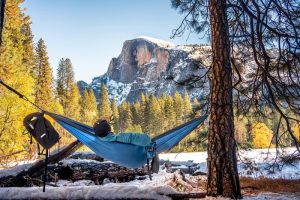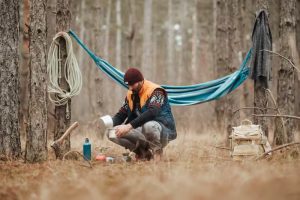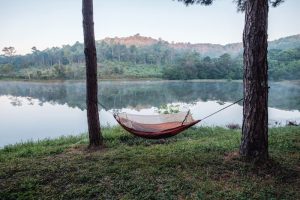
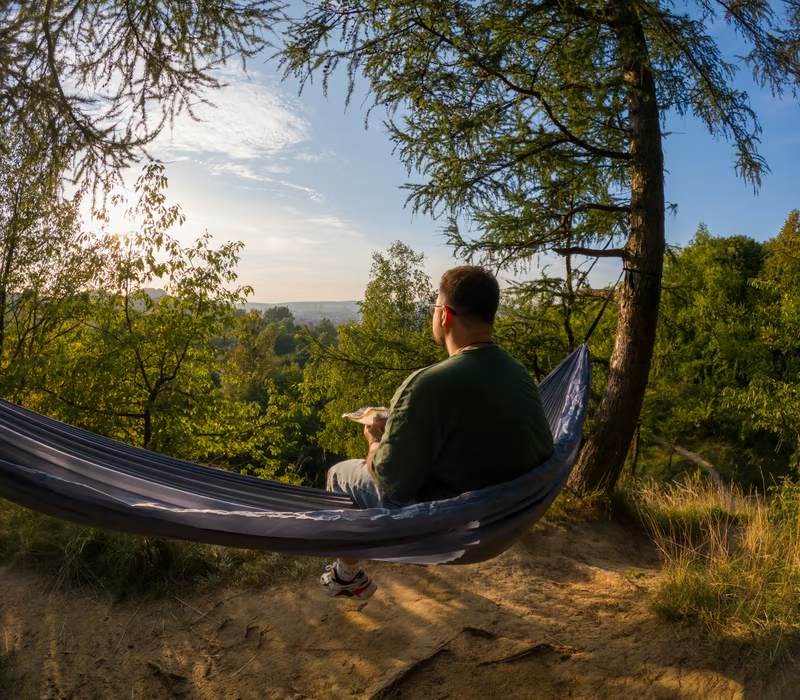
Hammock camping has become increasingly popular among outdoor enthusiasts, backpackers, hikers, and adventure travelers seeking a lightweight and comfortable alternative to traditional tent camping. Unlike sleeping on the ground, hammock camping allows individuals to rest suspended between trees or other anchor points, creating a unique outdoor experience that many campers find more comfortable and versatile than conventional shelters.
One reason hammock camping has gained widespread appeal is its adaptability. Campers can often set up hammocks in locations where pitching a tent would be difficult or impossible. Rocky terrain, uneven ground, muddy campsites, and forested environments frequently present fewer challenges when using a hammock system. Additionally, hammock setups tend to be lightweight, compact, and easy to transport, making them especially attractive for backpacking and long-distance hiking trips.
Despite its simplicity, successful hammock camping requires more than just a hammock. While a basic hammock may provide a place to rest, achieving both comfort and safety in outdoor conditions depends on using the appropriate supporting gear. Weather exposure, temperature fluctuations, insects, moisture, wind, and campsite conditions all influence the quality of a hammock camping experience. Without proper equipment, campers may encounter discomfort, disrupted sleep, or safety concerns.
A complete hammock camping setup typically includes several key components. The hammock itself serves as the foundation, but additional gear such as suspension systems, tree straps, tarps, bug nets, insulation layers, and weather protection accessories often play equally important roles. Each piece of equipment contributes to creating a secure and comfortable sleeping environment that can withstand changing outdoor conditions.
Comfort is one of the primary reasons many campers choose hammocks over tents. However, achieving that comfort requires understanding proper setup techniques and selecting gear suited to specific climates and environments. Similarly, safety considerations extend beyond simply supporting body weight. Protecting against weather exposure, ensuring secure anchor points, and maintaining proper equipment conditions are all essential for reducing risks during overnight stays.
Whether someone is new to hammock camping or looking to improve an existing setup, understanding which gear is essential can make a significant difference in the overall experience. By carefully selecting equipment that addresses shelter, insulation, suspension, weather protection, and campsite safety, campers can enjoy restful nights and successful outdoor adventures.
Understanding Hammock Camping
Before selecting gear, it is helpful to understand how hammock camping differs from traditional camping.
Elevated Sleeping
Campers sleep suspended above the ground.
Reduced Ground Dependence
Uneven terrain becomes less problematic.
Lightweight Travel
Many hammock systems are highly portable.
Outdoor Flexibility
Setups work well in forested environments.
Why Proper Gear Matters
Quality equipment contributes to both safety and comfort.
Weather Protection
Outdoor conditions can change rapidly.
Sleep Quality
Appropriate gear improves rest.
Equipment Reliability
Strong components reduce failure risks.
Outdoor Safety
Preparation supports successful camping experiences.
The Hammock Itself
The hammock is the foundation of the entire system.
Primary Sleeping Surface
It supports the camper throughout the night.
Material Selection
Different fabrics offer different benefits.
Weight Capacity
Load ratings should be respected.
Comfort Considerations
Size and design influence sleep quality.
Single Hammocks
Single hammocks are popular among solo campers.
Lightweight Design
Ideal for backpacking.
Compact Storage
Easy to transport.
Simple Setup
Suitable for beginners.
Efficient Use
Works well for individual campers.
Double Hammocks
Double hammocks offer additional space.
Increased Width
Allows greater comfort.
Versatility
Can accommodate larger users.
Relaxed Sleeping Position
Many campers prefer extra room.
Popular Choice
Common among recreational hammock campers.
Hammock Suspension Systems
Suspension systems connect the hammock to anchor points.
Critical Function
Supports the camper safely.
Adjustability
Allows setup customization.
Durability
Strong materials ensure reliability.
Ease of Use
Modern systems simplify setup.
Tree Straps
Tree straps are considered essential.
Tree Protection
Reduce damage to bark.
Secure Attachment
Provide stable anchor points.
Adjustable Positioning
Support various setup configurations.
Leave No Trace Benefits
Promote environmentally responsible camping.
Why Tree Straps Are Important
Proper suspension supports both safety and conservation.
Weight Distribution
Pressure is spread across wider surfaces.
Environmental Protection
Trees experience less stress.
Stability
Setups remain secure.
Campground Compliance
Many parks require tree-friendly straps.
Carabiners
Carabiners connect various components.
Secure Connections
Support suspension systems.
Easy Adjustments
Simplify setup changes.
Durability
Strong materials handle significant loads.
Versatility
Useful throughout camp.
Choosing Quality Carabiners
Not all carabiners are equal.
Strength Ratings
Load capacities should be verified.
Corrosion Resistance
Outdoor conditions require durability.
Lightweight Construction
Important for backpackers.
Reliable Performance
Safety depends on quality.
Ridgelines
Ridgelines improve hammock setup consistency.
Shape Control
Maintain proper hammock sag.
Comfort Enhancement
Help achieve optimal positioning.
Accessory Support
Can hold lights and small gear.
Setup Efficiency
Reduce guesswork.
Why Ridgelines Improve Comfort
Consistent setup often leads to better sleep.
Proper Angle Maintenance
Reduces positioning errors.
Repeatable Results
Setups remain consistent.
Better Relaxation
Comfort improves significantly.
User Convenience
Adjustments become easier.
Rain Tarps
Tarps provide essential weather protection.
Rain Coverage
Protect against precipitation.
Wind Protection
Reduce exposure.
Shelter Creation
Expand campsite versatility.
Comfort Preservation
Help maintain dry sleeping conditions.
Types of Hammock Tarps
Several designs are available.
Rectangular Tarps
Provide broad coverage.
Hexagonal Tarps
Balance protection and weight.
Winter Tarps
Offer enhanced weather resistance.
Ultralight Tarps
Prioritize portability.
Why a Tarp Is Essential
Weather conditions can change unexpectedly.
Rain Protection
Dry sleeping conditions improve safety.
Equipment Protection
Gear remains sheltered.
Wind Reduction
Exposure becomes more manageable.
Outdoor Comfort
Camping experiences improve significantly.
Bug Nets
Insect protection is often necessary.
Mosquito Defense
Reduces bites and irritation.
Improved Sleep
Fewer disturbances occur overnight.
Health Benefits
Limits insect exposure.
Camping Comfort
Warm-weather camping becomes more enjoyable.
Integrated Bug Nets
Many hammocks include built-in protection.
Convenience
No separate setup required.
Reduced Complexity
Fewer components are needed.
Reliable Coverage
Protection remains consistent.
Popular Option
Common in many camping hammocks.
Separate Bug Nets
Standalone nets offer flexibility.
Adaptability
Can be added when needed.
Weight Savings
Unnecessary components stay home.
Seasonal Use
Useful in insect-heavy conditions.
Versatility
Compatible with multiple hammocks.
Underquilts
Insulation becomes essential in cooler weather.
Heat Retention
Underquilts reduce heat loss.
Comfort Improvement
Sleep quality increases.
Cold Weather Protection
Critical in lower temperatures.
Hammock-Specific Design
Built specifically for suspended sleeping.
Why Underquilts Matter
Hammocks create unique insulation challenges.
Compressed Sleeping Bags
Insulation underneath loses effectiveness.
Convective Heat Loss
Air circulation increases cooling.
Temperature Management
Warmth becomes easier to maintain.
Better Rest
Comfort improves overnight.
Sleeping Pads
Pads provide another insulation option.
Thermal Protection
Help reduce heat loss.
Multi-Purpose Use
Can be used outside the hammock.
Budget-Friendly Option
Often less expensive than underquilts.
Versatility
Useful across different camping styles.
Top Quilts and Sleeping Bags
Upper-body insulation remains important.
Warmth
Protects against cooler temperatures.
Comfort
Enhances sleep quality.
Weather Adaptability
Supports various conditions.
Essential Protection
Complements lower-body insulation.
Camp Pillows
Neck support influences sleep quality.
Comfort Enhancement
Improves resting position.
Lightweight Options
Designed for backpacking.
Better Sleep
Supports relaxation.
Compact Storage
Easy to pack.
Structural Ridgeline Accessories
Additional accessories improve organization.
Gear Storage
Small items remain accessible.
Lighting Support
Lanterns can be suspended.
Convenience
Camp organization improves.
Efficiency
Items stay within reach.
Hammock Understorage Systems
Gear protection is important.
Equipment Storage
Items remain off the ground.
Weather Protection
Gear stays cleaner and drier.
Organization
Camp setups remain tidy.
Accessibility
Important items stay nearby.
Lightweight Camping Blankets
Additional warmth may be helpful.
Layering Flexibility
Adjust insulation levels.
Multi-Purpose Use
Useful around camp.
Comfort Benefits
Improve sleeping conditions.
Adaptability
Suitable for varying temperatures.
Weather Protection Accessories
Additional protection can enhance comfort.
Wind Barriers
Reduce exposure.
Storm Protection
Support severe-weather camping.
Cold Weather Performance
Improve insulation efficiency.
Outdoor Reliability
Increase preparedness.
Proper Anchor Point Selection
Safety depends heavily on anchor quality.
Healthy Trees
Anchors should be strong and stable.
Appropriate Distance
Spacing affects setup quality.
Stability
Secure anchors reduce risks.
Environmental Awareness
Protect natural surroundings.
Suspension Safety Checks
Regular inspections are essential.
Wear Detection
Identify damaged components.
Hardware Inspection
Check carabiners and straps.
Weight Capacity Verification
Follow manufacturer guidelines.
Accident Prevention
Routine checks reduce risks.
Lighting Equipment
Lighting improves campsite safety.
Night Visibility
Movement becomes safer.
Setup Assistance
Equipment is easier to manage.
Emergency Preparedness
Illumination supports problem-solving.
Convenience
Camp activities become easier.
Headlamps for Hammock Camping
Headlamps are especially useful.
Hands-Free Operation
Tasks become easier.
Lightweight Design
Ideal for backpackers.
Reliable Visibility
Supports nighttime activities.
Essential Accessory
Valuable in most camping situations.
Emergency Gear
Preparedness remains important.
First Aid Kits
Address minor injuries.
Emergency Whistles
Useful for signaling.
Multi-Tools
Provide versatile functionality.
Safety Support
Preparedness improves confidence.
Choosing Gear for Different Climates
Conditions influence equipment needs.
Warm Weather
Focus on ventilation and insect protection.
Cold Weather
Prioritize insulation.
Wet Environments
Emphasize rain protection.
Variable Conditions
Choose adaptable systems.
Common Mistakes in Hammock Gear Selection
New campers often make avoidable errors.
Ignoring Insulation
Cold temperatures become problematic.
Skipping Tarps
Weather exposure increases.
Using Poor Suspension
Safety risks rise.
Overpacking
Weight becomes excessive.
Frequently Asked Questions
What is the most important hammock camping accessory?
A reliable suspension system and weather protection tarp are among the most essential items.
Do I need a tarp when hammock camping?
Yes. A tarp provides protection from rain, wind, and changing weather conditions.
Is a bug net necessary?
In many environments, especially during warm weather, bug nets significantly improve comfort.
Why do hammock campers use underquilts?
Underquilts provide insulation beneath the hammock where sleeping bags become compressed and less effective.
Are tree straps required?
Yes. Tree straps improve safety, protect trees, and are often required by campgrounds.
Final Thoughts
Successful hammock camping depends on more than simply hanging a hammock between two trees. A comfortable and safe overnight experience requires a complete system that includes reliable suspension straps, secure carabiners, weather-resistant tarps, insect protection, proper insulation, and thoughtful campsite organization. Each component contributes to creating a shelter that protects against environmental conditions while supporting restful sleep.
Whether camping in warm summer forests, cool mountain environments, or unpredictable weather conditions, selecting the right gear significantly improves both comfort and safety. By investing in quality equipment, learning proper setup techniques, and preparing for changing outdoor conditions, hammock campers can enjoy lightweight, versatile, and highly comfortable adventures while minimizing risks and maximizing their enjoyment of the outdoors.